Design packages, permits, long-lead items, specialist subcontractors, temporary works and site constraints create dependencies across organisational boundaries. Each interface is a potential source of delay or misunderstanding.
The Ultimate Guide to Project Controls in Construction and Engineering
- Foundation Project Controls in construction and engineering
- Industry context The delivery pressures shaping construction and engineering
- Core solution areas Four connected Project disciplines
- Scheduling and planning
- Risk management
- Resource management
- Document control
- Technology choices Project Controls technology in construction and engineering
- Industry evidence Construction and engineering Project Controls in practice
Project Controls in construction and engineering
Project Controls in the construction and engineering industry is a structured approach to planning, measuring and forecasting project performance across schedule, cost, risk, resources, progress and information. It establishes controlled baselines, connects data from different disciplines and gives project teams an evidence-based view of variance. This allows decisions to be made while recovery options are still available, rather than after delays, overruns or disputes have become established.
The discipline is broader than maintaining a schedule or producing a monthly dashboard. A schedule can show the planned sequence, but it cannot explain delivery confidence on its own. A risk register can describe uncertainty, but it adds limited value when its events are disconnected from activities, resources and milestones. A document platform can hold files, but it does not create control unless revision, review and approval workflows reflect how the project is governed.
Effective Project Controls brings these elements together. It creates a common structure for planners, engineers, commercial teams, document controllers, project managers and decision-makers. The objective is not more reporting. It is a clearer basis for action.
For a broader foundation, read what Project Controls is and how it supports better project insight. For the construction and engineering context specifically, the critical need for Project Controls software explains why disconnected planning, risk and performance information becomes harder to manage as project complexity increases.
Project Controls provides
A controlled plan: approved scope, logic, milestones, budgets and responsibilities.
Measured performance: progress and actuals compared with the approved baseline.
A forward view: forecasts, scenarios and quantified exposure that support decisions.
An audit trail: evidence showing what changed, why it changed and who approved it.
The delivery pressures shaping construction and engineering
Interfaces multiply quickly
Change travels through the system
A design revision can alter procurement dates, installation logic, labour demand, access requirements and forecasts. Treating change as a document event rather than a delivery event hides its real impact
Evidence matters commercially
Approved schedules, progress records, transmittals, decisions and correspondence often become the evidence used to explain responsibility, entitlement and delay. Weak records weaken the project team’s position.
Delivery depends on networks, not single teams
Owners, engineers, contractors, subcontractors, suppliers and authorities each contribute information and decisions. The project depends on those contributions arriving in the right sequence and at the right level of quality.
Early decisions carry long-term consequences
Scope definition, contracting strategy, design maturity, construction methodology and procurement choices shape later exposure. Once work is committed, recovery becomes more expensive and the number of available options narrows.
Disconnected reporting creates false confidence
When each party maintains a different interpretation of progress, risk or document status, meetings become reconciliation exercises. Reporting takes longer while emerging issues remain hidden between organisational boundaries.
Construction technology is changing the information available to project teams
AI, IoT, cloud platforms and BIM can make planning, progress and risk signals available earlier, but the value still depends on disciplined Project Controls. Explore how AI, IoT and cloud are transforming the construction site and how BIM is changing construction from planning to real-time insightFour connected Project Controls disciplines
Scheduling and planning
Define the sequence, logic, milestones and progress rules needed to coordinate design, procurement and construction.
Risk Management
Connect uncertainty to delivery logic, evaluate exposure and support evidence-based contingency and response decisions.
Resource Management
Compare demand with capacity across roles, teams, projects and time periods before shortages affect delivery.
Document Control
Manage versions, reviews, approvals and transmittals so project teams act on current, authorised information.
Scheduling and planning for coordinated delivery
A schedule that reflects the way the project will be built
Useful planning begins with more than a list of activities. The schedule should connect engineering deliverables, procurement lead times, approvals, access, temporary works, construction sequence, testing and handover. It should also show the interfaces between organisations rather than assuming each party can work independently.
The right level of detail depends on purpose. A tender schedule needs to demonstrate strategy and confidence. A contract baseline needs controlled logic and measurable milestones. A short-term look-ahead needs enough operational detail for supervisors and subcontractors to coordinate work. These views should form a hierarchy, not competing plans.
Progress that can be measured and explained
rogress rules should be agreed before reporting begins. Physical quantities, weighted milestones, installed components and approved deliverables can all be valid measures. The method must reflect how value is created and prevent subjective status updates from overstating performance.
Schedule updates should explain change, not simply move dates. The team needs to understand which activities drove the movement, whether float has been consumed, what assumptions changed and which recovery options remain.
-
Clear ownership: each schedule area has a responsible owner and an agreed update route.
-
Controlled baselines: approved changes are separated from ordinary variance.
-
Connected levels: strategic milestones, control schedules and operational plans reconcile.
-
Forecast discipline: updates represent the current expected outcome, not the desired answer.
Scheduling software supports the method
Oracle Primavera Cloud and Oracle Primavera P6 EPPM are commonly used where organisations need multi-project scheduling, controlled access, shared structures and portfolio visibility. PMWeb can support scheduling within a wider project management information environment.
Risk management connected to project decisions
Risk information linked to time and delivery logic
A construction risk register often contains important knowledge, but categories and ratings alone do not show how exposure may affect the project. The next step is to connect risks to schedule activities, cost elements, resources, interfaces or decision dates.
This connection changes the discussion. Instead of asking whether a risk is high or medium, the team can ask which milestone is exposed, how much time could be lost, which path through the schedule is affected and whether the response is still available.
Contingency based on evidence
Quantitative analysis can test a range of duration assumptions and risk events against the schedule. The result is not a guaranteed completion date. It is a probability-based view that helps the team understand confidence, compare scenarios and set contingency with a defensible rationale.
Risk analysis should not become an isolated specialist exercise. Results need to return to the project team as decisions: change a construction method, secure an alternative supplier, protect an approval window, increase management attention or accept exposure consciously. The same principle is explored in reducing project risk by monitoring, intercepting and responding before exposure becomes failure.
- Named causes and effects: risks describe what may happen and the delivery consequence.
- Clear ownership: the person able to act owns the response, not only the risk record.
- Schedule connection: important risks are linked to relevant activities and milestones.
- Decision thresholds: escalation is based on agreed exposure and response criteria.
Risk tools fit different needs
Oracle Primavera Cloud combines scheduling and risk management in one environment. Safran Risk supports specialist quantitative schedule and cost risk analysis alongside core planning systems.
Resource management across projects and disciplines
Demand and capacity visible before work starts
Resource management connects planned work with the capacity needed to perform it. At project level, this may involve engineering disciplines, specialist construction crews, commissioning personnel, plant or temporary facilities. At organisational level, the same people and capabilities may be required across several projects at once.
A schedule that ignores resource constraints can be logically correct and operationally impossible. Resource-loaded planning helps reveal peaks, competing demands and critical specialist roles before they become site delays or design bottlenecks.
Portfolio decisions grounded in delivery reality
Not every conflict can be solved by levelling a schedule. Some require a management decision: resequence work, outsource capacity, delay a start, protect a strategic project or recruit ahead of demand. A portfolio view helps leaders compare the effect of those choices across active and proposed projects.
Useful resource data does not require every activity to be planned to the smallest unit. It requires consistent role definitions, credible demand assumptions and a planning horizon that supports the decisions the organisation needs to make. In multi-team environments, this also depends on shared project information; a unified software ecosystem can reduce the fragmentation that hides capacity and delivery conflicts.
-
Consistent roles: teams use the same resource and skill definitions across projects.
-
Time-phased demand: capacity requirements are visible by period, project and discipline.
-
Scenario planning: alternatives can be tested before commitments are made.
-
Decision ownership: conflicts are escalated to the level able to resolve them.
Resource planning can start simply
Many organisations begin with a small number of constrained roles or disciplines. The model can expand once data quality and ownership are established.
Document control across multi-organisation teams
Construction and engineering delivery depends on drawings, calculations, specifications, submittals, requests, approvals and records moving through controlled workflows.
One controlled record across every project party
Document control is not the same as storing documents. It manages identity, revision, status, ownership, distribution and approval. The purpose is to make the current authorised information clear and preserve the history of how that information changed.
This becomes critical when several organisations work in different systems. Email attachments and local folders create duplicate records and weaken traceability. A common data environment provides a neutral project record with permissions and workflows that reflect contractual responsibilities.
Information workflows connected to delivery milestones
Document status has a direct effect on delivery. A late drawing can delay procurement. A rejected technical submittal can block installation. An incomplete handover record can prevent acceptance. These dependencies should be visible in the Project Controls environment rather than managed as separate administrative tasks.
Read the distinction between document management and document control, and explore when a multi-organisation project may need a dedicated Common Data Environment.
- Controlled metadata: documents follow agreed naming, classification and status rules.
- Defined workflows: reviews and approvals follow responsibilities and time limits.
- Complete traceability: transmittals, comments, revisions and decisions remain auditable.
- Schedule visibility: critical information deliverables are connected to project milestones.
Document control platforms
Oracle Aconex supports controlled document exchange and workflow across multi-organisation projects. PMWeb includes document and workflow capabilities within a wider owner-side controls environment.
_________________
Related insights
Project Controls technology in construction and engineering
Software should support the organisation’s control model. It cannot replace unclear governance, inconsistent processes, missing ownership or weak adoption.
Capabilities before products
Start with the decisions and workflows the organisation needs to support. Define who creates data, who approves it, who consumes it and how information must move between project parties. This avoids selecting a platform because it contains the longest feature list.
The right environment may be one integrated platform or a connected set of specialist systems. The choice depends on project scale, existing enterprise systems, contracting structure, regulatory requirements, user maturity and the depth needed in each discipline. This is why software decisions should follow control needs rather than precede them; the Project Controls software must-have-or-luxury discussion is useful context when defining the business case.
Connected planning, risk, resources and documents
Integration should reduce manual reconciliation and preserve context. A resource plan should use current schedule demand. A risk event should retain its connection to affected activities. A document approval should be visible against the milestone it supports. Portfolio reporting should trace back to controlled project data.
Primaned works with Oracle Primavera Cloud, Oracle Primavera P6 EPPM, Oracle Aconex, Safran Risk and PMWeb. The role of an implementation partner is to align selected technology with project processes, governance, data structures, integrations and adoption requirements.
Explore the wider software landscape
The Project Controls software page explains the main platform categories, product fit and implementation considerations.
_______________
Related insights
Construction and engineering Project Controls in practice
Dura Vermeer
Dura Vermeer moved away from fragmented planning tools towards Oracle Primavera Cloud as a shared environment for planning, task management, resources, risk and collaboration. The case shows how a platform can support a wider change in ways of working rather than operate as a standalone tool.
Iv-Group
Iv introduced Oracle Primavera Cloud as a company-wide Project Controls platform. Planning and risk were connected more closely, while integrations with Databricks and Power BI created a foundation for wider reporting, document-control and future resource-management initiatives.
Strukton Infra Specials
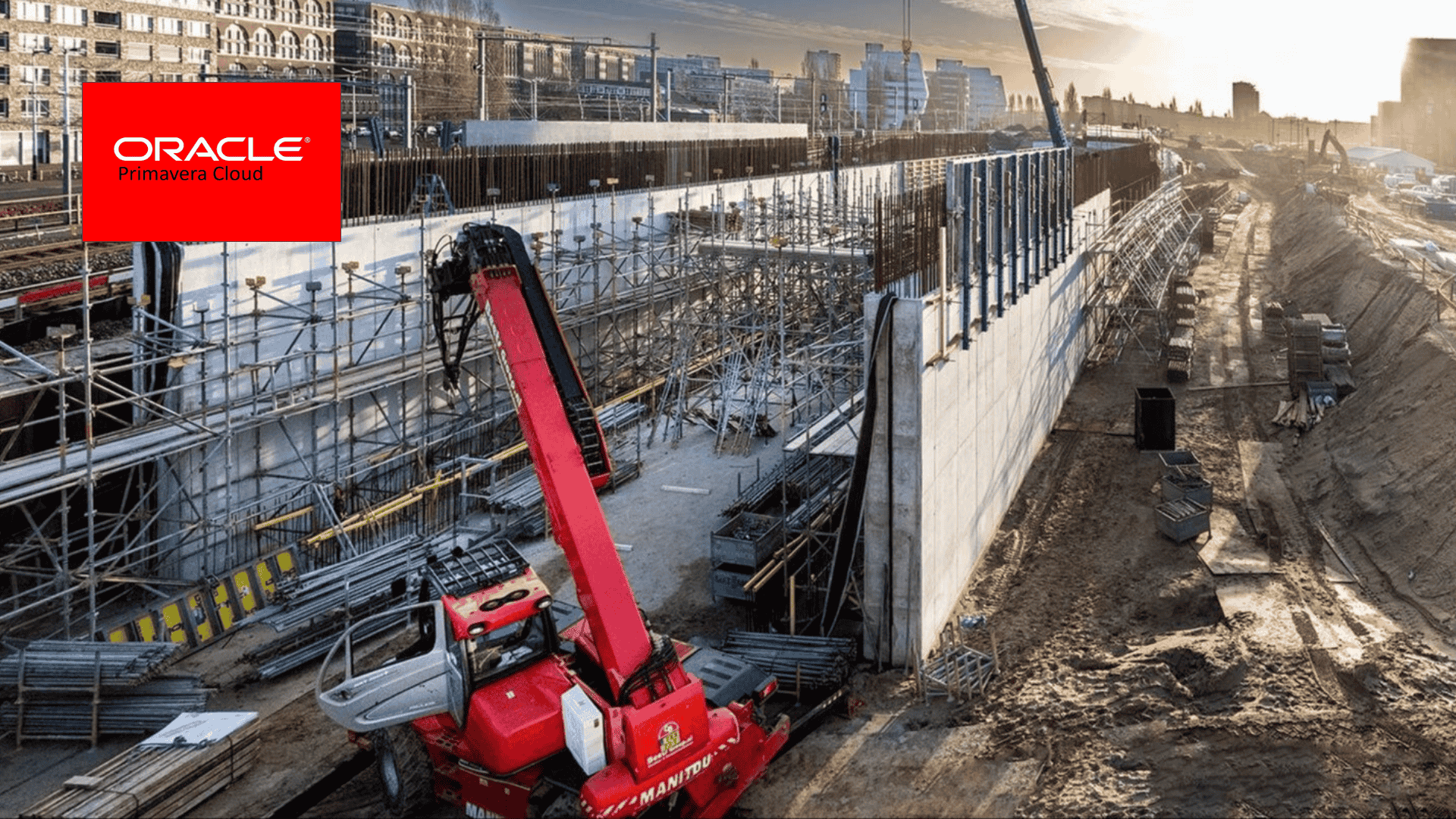
Strukton Infra Specials rebuilt its Oracle Primavera Cloud environment around governance, roles, permissions and testing. The first phase focused on planning and risk, with the setup designed to support later resource, portfolio and reporting development.
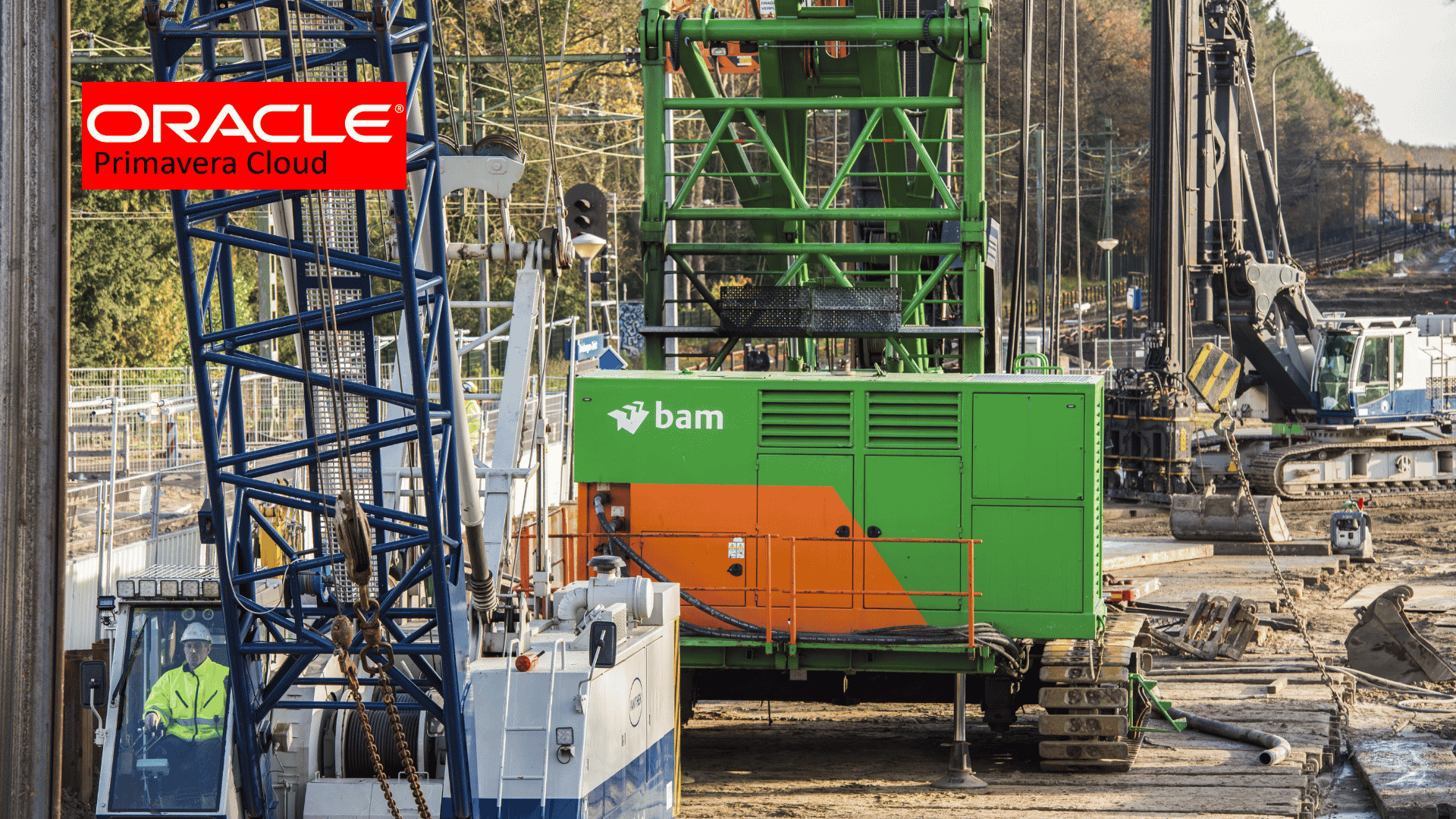
BAM Infra
BAM Infra used a phased transition towards Oracle Primavera Cloud, first establishing user profiles, rights, calendars and project structures before migrating projects from Primavera P6. The case highlights the importance of foundations before scale.
Frequently Asked Questions
What does Project Controls include in construction and engineering?
Why are Project Controls important on construction and engineering projects?
Construction and engineering projects contain many dependencies between design, procurement, approvals, specialist contractors, resources and site execution. A change in one area can affect several others. Project Controls creates a shared view of those dependencies and makes variance visible early enough for teams to evaluate recovery options before delay, rework or commercial exposure becomes established.
What is the difference between project management and Project Controls?
Project management is responsible for directing delivery, coordinating stakeholders and making project decisions. Project Controls provides the structured performance information behind those decisions. It builds and maintains baselines, measures progress, analyses variance and risk, forecasts outcomes and preserves the evidence needed to explain how the project is changing.
How do scheduling, risk, resources and document control work together?
The disciplines should use the same delivery logic. Risks should be linked to affected activities and milestones, resource demand should reflect current schedule dates, and document reviews or approvals should be visible against the work they enable. When the disciplines are disconnected, teams spend more time reconciling reports and less time managing the project.
Which Project Controls software is used in construction and engineering?
Construction and engineering organisations commonly use scheduling platforms such as Oracle Primavera Cloud or Oracle Primavera P6 EPPM, specialist risk tools such as Safran Risk, multi-organisation document control platforms such as Oracle Aconex, and wider project management information systems such as PMWeb. The right combination depends on project scale, contracting structure, existing systems and the depth required in each discipline.
When should an organisation improve its Project Controls approach?
Typical signals include inconsistent schedules, repeated manual reconciliation, unclear ownership of baselines, late visibility of resource conflicts, risk registers that are not connected to the schedule, document approvals that delay work, or reports that different teams interpret differently. These are operating-model issues as much as software issues and should be addressed together.
How does Primaned support construction and engineering organisations?
Primaned combines Project Controls software expertise with consultancy, implementation and integration, training through Primaned Academy, ongoing support and specialist capacity through PROCON Professionals. The objective is to align technology with processes, governance, data, adoption and day-to-day project delivery rather than treating software as a standalone purchase.
Related blog articles
Continue exploring the key themes covered in this guide with practical insights on Project Controls, planning, risk, resources, and information management in construction and engineering.

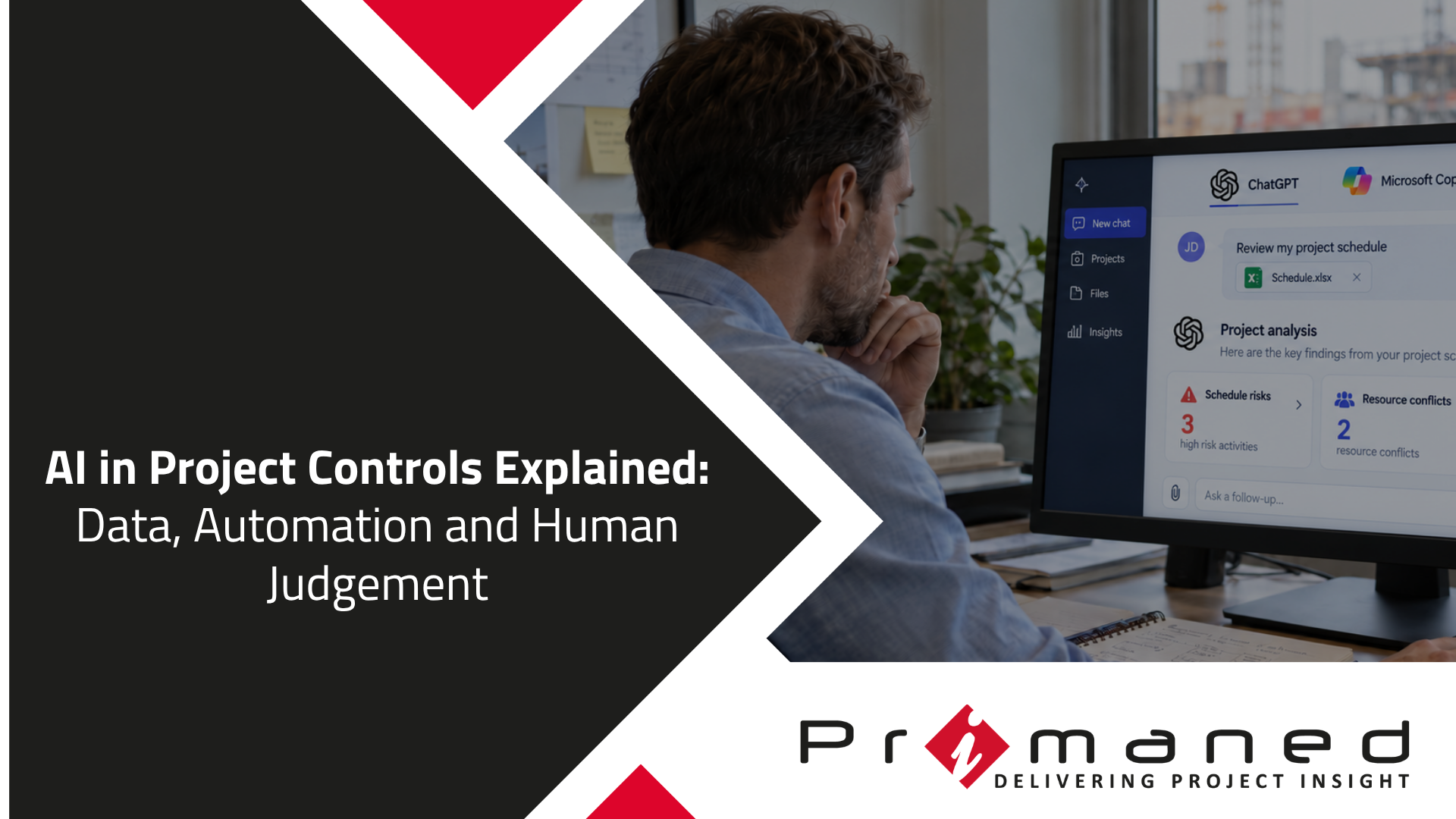
AI in Project Controls Explained: Data, Automation and Human Judgement
Your Project Controls Software Is Live. So Why Are You Still Firefighting?

%20ENG.png)